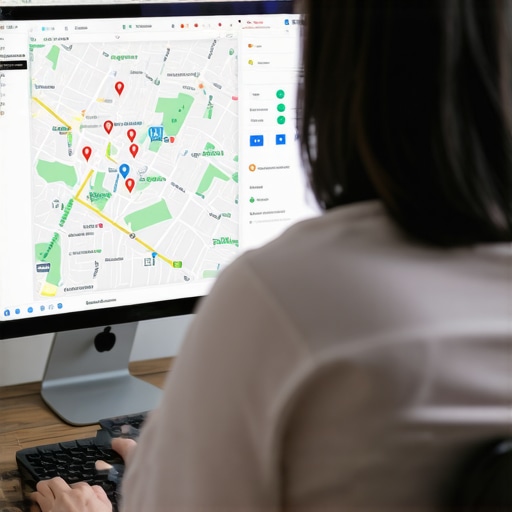
I remember the exact moment I realized I was missing out on potential clients because my business didn’t show up in Tulsa’s coveted Google 3-Pack. Weeks of frustration, countless tweaks, and still nothing. It was a lightbulb moment—being visible in local search isn’t just nice; it’s essential. If you’ve ever felt invisible online despite your best efforts, you’re not alone. Many local businesses struggle with getting noticed on Google Maps, especially in a competitive market like Tulsa. But here’s the good news: with a few proven strategies, you can turn things around and dominate that map pack. Today, I’ll share some of the most effective Tulsa-specific local SEO tips that helped me boost my rankings and attract more local customers. And trust me, the effort is worth it. When I first started, I made the mistake of ignoring Google My Business optimization, thinking content alone would do the trick. That was a costly mistake. The truth is, local SEO requires a tailored approach—focusing on Google Maps and local signals. This isn’t just theory; it’s backed by facts. According to BrightLocal, 78% of local mobile searches result in an offline purchase, making visibility in the Google 3-Pack a game-changer for local businesses. If you’re tired of being invisible, keep reading. We’re about to dive into the practical steps that will make your business stand out in Tulsa’s crowded marketplace.
Why Local SEO Matters More Than Ever in Tulsa
In Tulsa’s bustling local scene, standing out is harder than ever. With more businesses vying for the same customers, simply having a website isn’t enough. Google’s local 3-Pack is the first thing potential clients see when they search for services you offer—so if you’re not there, you’re invisible. Think about it: how often do you scroll past the first page of search results? Probably rarely. That’s exactly why ranking high in Tulsa’s Google Maps results can make or break your business. It’s not just about ranking; it’s about visibility and trust. When your business appears in that prime spot, it signals authority and reliability. But how do you get there? That’s what we’ll explore next. If you’ve struggled to get above competitors or wondered if local SEO is worth the effort, I get it. I’ve been there. But the truth is, ignoring local SEO is like leaving money on the table. Want to learn how I cracked the code? Keep reading. For more detailed strategies, check out this comprehensive guide on effective Tulsa local SEO strategies for Oklahoma maps rankings: effective Tulsa local SEO strategies.
Is Local SEO Still Worth the Hype?
Early on, I believed that simply claiming my Google My Business listing would be enough. Spoiler alert: it wasn’t. I made the mistake of thinking that optimizing my GMB profile was a one-and-done task. In reality, local SEO is an ongoing process. The competitive Tulsa market demands a strategic, consistent effort. If you’re skeptical about whether these tips really work, I totally get it. But the data doesn’t lie. Businesses that optimize their local presence see a significant uptick in foot traffic and inquiries. Plus, Google’s algorithms favor active, well-optimized listings. Just as a well-tended storefront attracts more walk-ins, a well-optimized GMB profile draws more clicks. Ready to stop guessing and start ranking? Let’s dive into the specific tactics that will put your Tulsa business on the map. For more insider tips, visit this resource on proven local SEO strategies for Google 3-Pack domination: boost your Oklahoma business.
,
Optimize Your Google My Business Profile
Start by claiming and verifying your Google My Business (GMB) listing if you haven’t already. Fill out every detail meticulously—business name, address, phone number, hours, categories, and services. Use local keywords naturally in your business description to signal relevance to Tulsa searches.
Next, upload high-quality images that showcase your business, staff, or products. Regularly updating your GMB with new photos helps keep your profile active and engaging, which Google favors. Remember, a complete and active profile boosts your chances of appearing in the coveted 3-Pack.
Leverage Local Keywords and Content
Identify Tulsa-specific keywords that potential clients are searching for. Use tools like Google Keyword Planner or SEMrush to find keywords with local intent, such as “Tulsa plumber” or “best coffee in Tulsa.” Integrate these keywords naturally into your website content, meta descriptions, headers, and blog posts.
Creating localized content—like Tulsa event coverage or neighborhood guides—can position your business as a community authority. This strategy not only attracts local traffic but also signals relevance to Google’s local algorithms.
Build Local Citations and Consistent NAP Data
Ensure your Name, Address, and Phone number (NAP) are consistent across all online directories—Yelp, Bing Places, Yellow Pages, and industry-specific sites. Inconsistent NAP data confuses Google and hampers rankings.
Focus on high-authority directories relevant to Tulsa. For example, Tulsa Chamber of Commerce or Oklahoma-specific listings are gold mines for local signals. Regular audits help keep your citations accurate and consistent.
Gather and Manage Customer Reviews
Reviews are a cornerstone of local SEO trust signals. Actively encourage satisfied customers to leave reviews on your GMB profile. Respond to reviews promptly, thanking customers and addressing concerns. This engagement boosts your visibility and credibility.
Avoid fake reviews; authenticity matters. Use tools like BrightLocal to monitor reviews and ensure your reputation remains strong.
Implement Local Link Building
Earn backlinks from Tulsa-based blogs, local news sites, and community organizations. Sponsor local events or collaborate with other Tulsa businesses to generate backlinks and social signals.
Remember, quality beats quantity. A few authoritative local links can significantly improve your local rankings more than numerous weak links.
Optimize for Mobile and Voice Search
Most local searches happen on mobile devices. Ensure your website loads quickly, is mobile-friendly, and provides a seamless user experience. Use structured data markup to help Google understand your business details better.
Additionally, optimize for voice search by incorporating conversational keywords and question-based content, like “Where is the best pizza in Tulsa?”
Monitor and Adjust Your Strategies
Use tools like Google Search Console and Google Analytics to track your local SEO performance. Watch your Google Maps rankings, website traffic, and review activity. Adjust your tactics based on what the data reveals—whether that’s focusing more on reviews, NAP consistency, or content updates.
Consistent effort and strategic adjustments are key to maintaining and improving your position in Tulsa’s competitive local landscape.
< >
>
While many believe that optimizing a Google My Business profile once is enough, the reality is far more nuanced. A common misconception is that local SEO is a set-it-and-forget-it task. In truth, ongoing effort is essential because Google’s algorithms prioritize fresh, relevant, and authoritative signals. For instance, regularly updating your profile with new photos, posts, and responding to reviews can significantly impact your visibility in Tulsa’s competitive market. Ignoring this dynamic aspect of local SEO can cause your rankings to stagnate or decline, making it a costly mistake. Many think that keyword stuffing or fake reviews can boost rankings quickly, but these tactics are not only risky but also against Google’s guidelines, risking penalties and reputation damage. Instead, focus on authentic engagement and strategic content that builds trust and authority over time.
Another trap is overemphasizing backlinks from non-local sources, believing they will automatically improve rankings. While backlinks matter, Google’s algorithms increasingly weigh local relevance and citation consistency. For example, a backlink from a Tulsa-based blog or local news site can have more impact than multiple links from unrelated sites. This is backed by expert insights from local SEO specialists. They emphasize that quality, relevance, and consistency trump quantity when building local authority.
What advanced mistakes do many overlook in local SEO?
One advanced mistake is neglecting the importance of structured data markup, such as schema.org, which helps Google understand your business details beyond basic NAP information. Proper implementation of structured data can enhance your appearance in local search results, including rich snippets and knowledge panels, providing a competitive edge in Tulsa’s crowded local market. Experts like top local SEO authorities note that this technical nuance often separates top performers from the rest. Failing to leverage structured data is like having a storefront but no signage—your business remains invisible despite your efforts. Have you ever fallen into this trap? Let me know in the comments.
In conclusion, understanding and avoiding these hidden pitfalls can make a significant difference in your local SEO success. It’s not just about quick wins but building a sustainable, authoritative presence that Google recognizes and favors. For a more comprehensive dive into these advanced strategies, check out this detailed guide and ensure your Tulsa business stays ahead of the competition.
How do I keep my local SEO efforts running smoothly over time?
Maintaining your Tulsa local SEO rankings requires a combination of reliable tools, consistent effort, and staying ahead of algorithm changes. I personally rely on a few key software solutions to keep my strategies effective and scalable. For instance, BrightLocal is my go-to for tracking citations, reviews, and ranking fluctuations. Its comprehensive dashboard helps me identify inconsistencies in NAP data, monitor review activity, and evaluate local search performance all in one place. I’ve found that setting up regular audits—monthly or quarterly—using BrightLocal ensures my citations stay accurate and my reputation remains strong. Additionally, Google Search Console is indispensable for understanding how Google perceives my website and spotting technical issues that could impact rankings. I check it weekly for crawl errors, mobile usability, and performance metrics. To streamline review management, I use Podium. It automates review requests and responses, saving me time while encouraging authentic customer feedback that boosts my local authority. As for content updates, I use SEMrush to identify trending local keywords and topics, ensuring my website stays fresh and relevant. This continuous content refresh signals to Google that my business is active and authoritative. Looking ahead, I predict that local SEO tools will incorporate more AI-driven insights, helping businesses anticipate algorithm shifts and optimize proactively. To keep your local SEO working long-term, focus on consistency in your NAP data, review management, and content creation. Regularly auditing with these tools can prevent ranking drops and help you adapt quickly to changes. I encourage you to try implementing BrightLocal’s citation audit feature this month. It’s a game-changer for maintaining your Tulsa map pack dominance. For more advanced strategies, check out this guide on effective Tulsa local SEO strategies.”,
The Hardest Lesson I Learned About Local SEO in Tulsa
One of my biggest mistakes was thinking that a well-optimized Google My Business profile alone would keep me at the top. The reality hit hard when I realized ongoing engagement, reviews, and local content are what really moves the needle. The lightbulb moment came when I saw my competitors consistently updating their profiles and building local links, while I was static. This taught me that local SEO is a continuous process, not a one-time task.
Why I Switched to a Community-Centric Strategy
Initially, I focused heavily on keywords and backlinks from big sites. But I soon discovered that local relevance and community involvement matter more. Sponsoring local events, collaborating with Tulsa businesses, and creating neighborhood guides made my brand a trusted name in Tulsa. This approach not only improved rankings but also built genuine relationships that translated into loyal customers.
The Power of Structured Data in Tulsa’s Market
Implementing schema markup was a game-changer. It helped my business stand out with rich snippets in local search results, making my listing more attractive. I underestimated this technical aspect at first, but once I saw the visibility boost, I realized that technical SEO nuances like structured data are essential for beating competitors in Tulsa’s crowded market.
Curated Resources That Transformed My Approach
- BrightLocal: I rely on it for citation audits and review monitoring. It keeps my NAP consistent and reviews authentic, which is critical for local rankings.
- Google Search Console: This tool helps me identify technical issues and optimize my website’s performance, ensuring Google perceives my site as valuable and relevant.
- SEMrush: It’s invaluable for researching local keywords and content opportunities, helping me stay ahead of local trends.
- Local SEO Guides: Regularly consulting comprehensive resources like this guide keeps my strategies fresh and effective.
Keep Moving Forward—Your Local SEO Journey Starts Now
Remember, local SEO isn’t a set-and-forget task. It’s about nurturing your presence in Tulsa’s vibrant community, staying proactive with your optimization efforts, and adapting to algorithm changes. The path to dominating Tulsa’s Google 3-Pack is ongoing, but with persistence and the right tools, you can unlock your business’s full potential in local search. Don’t wait—start implementing these strategies today and watch your visibility soar. How will you enhance your Tulsa local SEO efforts this month? Share your plans below!


Leave a Reply