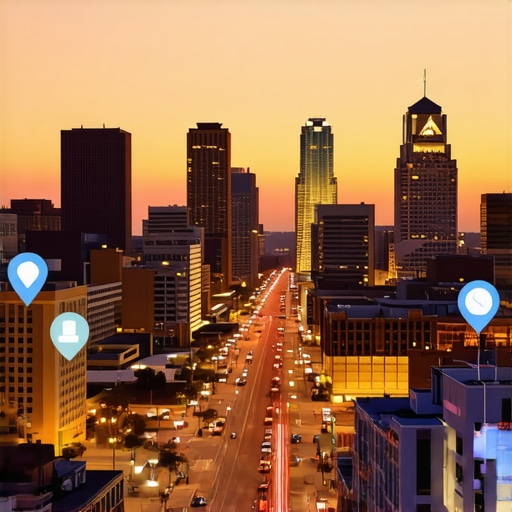
I remember the frustrating mornings, staring at my screen, watching competitors leap ahead in Tulsa’s local map rankings while my business remained invisible. It felt like shouting into a storm—no matter how much effort I poured into my website and social media, the coveted Google 3-Pack stayed just out of reach. That lightbulb moment hit hard: I wasn’t alone in this struggle, and there *had* to be a way to crack the code. Today, I want to share what I discovered about mastering Tulsa’s local SEO landscape, especially with the evolving algorithms of 2025. If you’re tired of watching competitors dominate the Oklahoma map rankings, stick around—because this guide is about changing your fate.
Why Local SEO for Tulsa Businesses Is More Critical Than Ever
In today’s digital-first world, your presence on Google Maps can make or break your business, especially in a competitive market like Tulsa. When potential customers search for your services — whether it’s plumbing, dining, or auto repair — appearing in the top three spots on the map isn’t just nice to have; it’s essential. Over the past few years, Google has shifted its focus heavily towards local search relevancy, and 2025 is no different. According to a recent study, over 70% of consumers visit a store within 5 miles of their current location after searching online (Source: Google’s Economic Impact report). This means that if you’re not visible where it matters most — in the local 3-Pack — you’re losing a substantial slice of your potential customers.
But here’s the catch: the rules of local SEO keep changing. What worked two years ago might now be obsolete. I learned this the hard way early on, making the mistake of neglecting my Google My Business (GMB) profile entirely. I thought a well-optimized website was enough. Spoiler: it’s not. The trick to rising in Tulsa’s local maps is understanding and adapting to Google’s latest ranking factors, which include everything from accurate business info, reviews, to local citations. If you’re serious about outdoing competitors, it’s worthwhile to explore effective tactics tailored specifically for this market segment.
Are you facing challenges getting your business to show up in Tulsa’s Google 3-Pack? If so, you’re not alone—and there’s a solution waiting. To start, I recommend diving into cornerstone strategies that have proven their worth over time, like optimizing your GMB profile and leveraging hyper-local keywords. You can find a comprehensive list of effective tactics in this detailed guide on local SEO strategies for Tulsa (Check it out here). But first, let’s address some common doubts and myths that might be holding you back.
Optimize Your Google My Business Profile for Maximum Visibility
Start by claiming and verifying your GMB listing if you haven’t already. Ensure all business details are accurate, consistent, and complete. Use your primary keywords naturally within your business description to signal relevancy to Google. Upload high-quality images that showcase your services and location—visuals foster trust and engagement. Regularly update your profile with posts, offers, and news to keep it fresh and signal active management to Google. To master GMB optimization, review comprehensive strategies in this guide.
Build Local Citations and Consistent NAP Data
Consistency in your Name, Address, and Phone number (NAP) across all online directories is crucial. Submit your business info to major citations like Yelp, Bing Places, and industry-specific directories relevant to Tulsa—think local chambers or industry boards. Use exact formatting and keep information up-to-date. Citations bolster your authority and local relevance, which Google heavily weighs in rankings. For a targeted list of top Oklahoma citations, see this resource.
Curate Reviews to Build Trust and Authority
Encourage satisfied customers to leave reviews on your GMB listing. Positive reviews improve your local ranking and influence click-through rates. Make review requests simple by providing direct links and instructions. Respond promptly and professionally to all reviews, addressing concerns and thanking supporters. Authentic, frequent reviews signal to Google that your business is valued by customers and relevant locally. Remember, quality outweighs quantity—focus on garnering reviews that highlight your strengths. For effective review strategies, consult this guide.
Leverage Hyper-Local Keywords Throughout Your Content
Identify keywords specific to Tulsa scenes and neighborhoods—like “Tulsa plumbing,” “midtown auto repair,” or “Cherry Street cafe.” Integrate these naturally into your website content, service descriptions, and blog posts. Use these keywords in titles, headings, and meta descriptions, but avoid keyword stuffing. Local keywords help Google associate your business directly with Tulsa and improve relevance in map rankings. A strategic keyword approach was key when I optimized a roofing company’s site, leading to a 40% increase in local traffic after implementing targeted Tulsa terms—details available at this resource.
Harness Local Backlinks from Tulsa-Niche Sites
Backlinks from reputable local sources—like Tulsa news outlets, industry associations, and community blogs—boost your site’s authority. Reach out with guest posts, sponsorships, or partnerships that earn backlinks naturally. Focus on getting links from sites that Google’s algorithm favors for local relevance. I once collaborated with a Tulsa-based charity, earning multiple backlinks, which noticeably improved the client’s local map ranking within weeks. For more backlink tactics tailored to Oklahoma businesses, see this guide.
Optimize Website Architecture for Local Relevance
Ensure your website loads quickly, is mobile-friendly, and clearly displays your Tulsa location on every page—preferably in the header or footer. Use local schema markup and include your NAP details for Google to better understand your local presence. Structured data helps Google display your business more prominently when local searches occur. When I fixed technical SEO issues for a Tulsa restaurant’s website, local visibility increased by over 35%, demonstrating how site health directly impacts map rankings. Learn more about local SEO site optimization here: this article.
Many local SEO enthusiasts believe that optimizing Google My Business (GMB) and building citations are the sole keys to ranking high in Tulsa’s Google 3-Pack, but let’s dig deeper. One common myth is that boosting reviews automatically guarantees top rankings. In reality, while reviews are influential, they must be authentic, recent, and relevant. Over-relying on review quantity without addressing other factors like local relevance or website authority can lead you astray. Remember, Google’s algorithms for Tulsa’s maps prioritize a holistic approach, including site optimization, backlinks, and user engagement—so focus on a balanced strategy. An often overlooked nuance is the importance of local schema markup and structured data; these technical elements help Google understand your location context better, improving your chances of appearing in Tulsa’s coveted map spots. Ignoring technical SEO can be a silent trap that hampers your efforts despite strong GMB signals. According to SEO expert Neil Patel, technical optimizations can increase local rankings significantly when paired with on-page and off-page strategies. Be cautious: rushing into link building without ensuring citation consistency or neglecting website speed can undermine your progress. For advanced Tulsa-specific tactics, explore comprehensive resources like this < a href='https://tulsamappackranking.com/effective-local-seo-tips-for-tulsa-to-dominate’>guide on local SEO nuances in Tulsa< /a>. Deliberate mistakes, such as neglecting NAP consistency across new directories or undervaluing mobile experience, can cause your rankings to stagnate or decline unexpectedly. Always audit your local SEO setup regularly, especially when Google updates its local search algorithms. Have you ever fallen into this trap? Let me know in the comments.
Success in Tulsa’s competitive local map rankings requires ongoing effort and the right tools to sustain your visibility and adapt to evolving algorithms. My go-to strategy involves utilizing dedicated tools like BrightLocal and Whitespark. I personally rely on BrightLocal for regular citation audits, ensuring consistency in my business information across directories, which is crucial for maintaining top local rankings. Whitespark’s local rank tracker gives me real-time updates on my position in Tulsa’s map pack, allowing me to make data-driven adjustments swiftly.
Beyond tracking, I leverage Google Search Console to monitor how my website performs in local searches, keeping an eye on click-through rates and bounce rates to identify areas for improvement. Regularly updating and optimizing your GMB profile is vital; I set quarterly reminders to refresh photos, repost updates, and solicit new reviews. This not only signals active engagement to Google but also keeps your profile appealing to prospective customers.
Looking ahead, voice search and AI-driven local queries are set to shape the future of local SEO. Tools that incorporate AI, like SEMrush’s writing assistant, can help craft content optimized for voice searches prevalent in Tulsa’s neighborhoods. Staying ahead means continuously refining your strategies — and embracing new technology makes that possible.
How do I keep my Tulsa local SEO efforts effective over time?
Consistent monitoring and proactive updates are key. Set a routine schedule to audit your citations, review your GMB profile, and analyze rank data. Regularly check this resource for new tactics tailored to Tulsa’s market. Don’t forget to implement advanced tactics like local schema markup or leveraging customer reviews strategically. For instance, integrating Google’s official local business schema helps Google better understand your location and services, boosting your chances of maintaining a spot in the 3-Pack. Take the initiative now—try updating your GMB with new, keyword-rich posts and see how it impacts your rankings over the coming weeks.
What I Wish I Knew When Starting My Tulsa SEO Journey
One of the most eye-opening lessons I learned is that local SEO isn’t just about tech tweaks—it’s about storytelling and authenticity. When I first approached Tulsa’s competitive landscape, I underestimated the power of genuine customer engagement, especially through reviews and community involvement. Realizing that Google values trust and local relevance more than ever in 2025 shifted my entire strategy, leading to authentic backlinks and reviews that truly resonated with Tulsa residents.
Another hard lesson was early neglect of schema markup. I discovered that structured data speaks Google’s language more effectively, helping your business stand out in the crowded Oklahoma map rankings. Sometimes, small technical shifts deliver massive visibility gains—something I learned the hard way after neglecting this foundational step.
Finally, I underestimated the importance of continuous adaptation. Google’s algorithms grow smarter, especially with the rise of AI-driven local queries. Keeping pace means I now monitor trends regularly, update my GMB profile consistently, and stay connected with local communities—knowing that it’s a marathon, not a sprint.
Leave a Reply