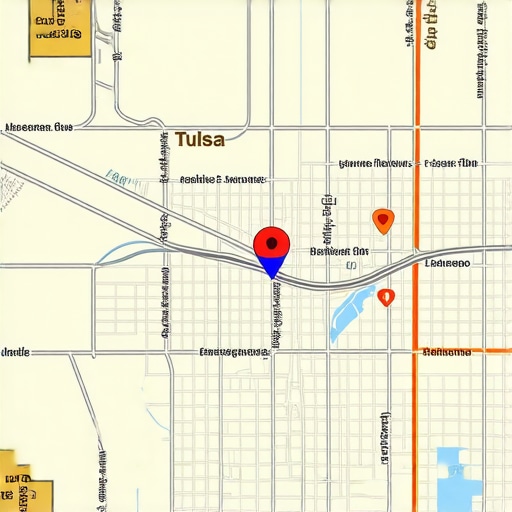
My Personal Journey with Oklahoma Maps and Tulsa Business Growth
As a proud Tulsa resident and small business owner, I’ve always believed in the power of local SEO and the importance of effective Oklahoma maps for business visibility. I remember when I first started optimizing my Google My Business profile, I felt overwhelmed but eager to learn how maps can truly drive local customers to my doorstep. Over time, I discovered that mastering Oklahoma maps ranking strategies was key to standing out in Tulsa’s competitive market.
Why Local Maps Optimization Became My Top Priority
During my early days in business, I noticed that most of my new clients came from nearby neighborhoods. I realized that appearing prominently on Oklahoma maps could significantly impact my reach. I delved into various strategies, such as accurate NAP (Name, Address, Phone Number) consistency and local keyword optimization. These efforts helped improve my visibility on Google’s local pack, which I learned is crucial for local SEO success from authoritative sources like Moz.
How I Improved My Tulsa Maps Rankings: Practical Tips from Experience
I found that leveraging Google’s tools and local SEO best practices made a real difference. I started by ensuring my Google Business Profile was fully optimized, including selecting the right categories and adding high-quality photos. Next, I focused on gathering genuine reviews from satisfied customers, which boosted my credibility and rankings. I also used local keywords in my website content and citations, aligning with proven strategies from this comprehensive guide.
What Are the Hidden Factors That Influence Oklahoma Maps Rankings?
Have I Really Discovered All the Secrets to Google Maps Domination?
Honestly, I believe there’s always more to learn. Local SEO is dynamic, and Google’s algorithms keep evolving. Factors like local backlinks, mobile friendliness, and even social signals can influence rankings. Staying updated and continuously optimizing my profile has been essential. I encourage fellow Tulsa business owners to explore in-depth resources and consider expert advice, like that found at this trusted source.
If you’re serious about climbing Oklahoma maps rankings, I recommend regularly tracking your progress with tools like Google Analytics and local SEO software. Sharing your experiences in the comments or on social media can also provide valuable insights. After all, growing a local presence is a journey best navigated with community and knowledge.
Are You Missing Out on the Full Potential of Oklahoma Maps Optimization?
While many Tulsa business owners focus on the basics like NAP consistency and review collection, truly mastering local SEO involves diving deeper into nuanced factors that influence Google Maps rankings. For example, did you know that local backlinks from authoritative Tulsa websites can significantly boost your visibility? Building relationships with local bloggers, chambers of commerce, and industry associations can create powerful backlinks that signal trustworthiness to Google. These efforts, combined with ongoing profile optimization, can propel your business toward the coveted Google 3-Pack.
Unlocking the Power of Mobile Optimization and Local Signals
In today’s mobile-first world, ensuring your website and Google My Business profile are optimized for mobile devices is non-negotiable. Google prioritizes mobile-friendly sites in local search results, and factors like page speed, responsive design, and easy navigation directly impact your rankings. Additionally, social signals such as engagement on local Facebook groups or Tulsa-focused forums can indirectly influence your local SEO, reinforcing your relevance in the community. For an in-depth look at how these elements intertwine, check out this expert guide.
What Are the Emerging Trends That Could Shift the Local SEO Landscape?
Have I Fully Embraced Voice Search Optimization for Tulsa Businesses?
Voice search is rapidly transforming local search behaviors, especially in Tulsa where many users seek quick, voice-activated answers. Optimizing for voice involves incorporating natural language keywords and FAQs that match how people speak. For example, instead of just “Tulsa pizza,” consider “Where’s the best pizza place near me in Tulsa?” Incorporate these conversational keywords into your website content and Google My Business posts. Analyzing voice search queries can reveal new keywords and content opportunities, giving you an edge over competitors who haven’t yet adapted. For comprehensive strategies, explore this detailed resource.
Furthermore, leveraging structured data markup (schema) helps Google understand your business details better, enhancing your chances of appearing in rich snippets and voice search results. This technical aspect is often overlooked but critical for staying ahead in local SEO.
How Can You Sustain and Measure Your Local SEO Success Over Time?
Sustaining top rankings requires continuous effort. Regularly auditing your Google My Business profile, updating photos, and responding promptly to reviews keep your listing active and engaging. Tracking key metrics like local pack impressions, click-through rates, and conversion data through tools such as Google Analytics and local SEO platforms can reveal what strategies are working and where to pivot. Additionally, keeping an eye on your competitors’ moves—such as new reviews, profile updates, or backlink acquisitions—can inform your ongoing tactics.
Engaging with your community by sharing success stories, promotions, or local news can foster stronger customer relationships and generate organic buzz. Remember, local SEO is not a one-and-done effort but a continuous journey of optimization and adaptation. If you’re interested in more advanced tactics, I recommend exploring this comprehensive guide to local SEO mastery in Tulsa.
Embracing the Complexity: My Personal Reflection on Tulsa’s Local SEO Landscape
As I’ve immersed myself in the world of Oklahoma maps and Tulsa’s vibrant business scene, I’ve come to realize that true mastery extends beyond the basics. It’s about understanding the nuanced layers that influence local rankings—factors often overlooked by newcomers. I vividly remember the pivotal moment when I recognized that each tiny detail, from citation accuracy to community engagement, could tip the scales. This journey hasn’t just been about technical tweaks but about cultivating a deep, intuitive understanding of Tulsa’s unique digital ecosystem.
Why Deep Local Engagement Became My Secret Weapon
Initially, I focused heavily on algorithmic factors—NAP consistency, reviews, backlinks. While these are essential, I soon discovered that authentic local engagement creates a lasting impact. Attending Tulsa Chamber events, collaborating with local bloggers, and participating in community forums not only built relationships but also generated valuable backlinks and signals to Google. These efforts fostered a trust that’s hard to quantify but incredibly powerful. It’s a reminder that local SEO is as much about community as it is about keywords and rankings. Want to explore more about integrating community-building into your strategy? Check out this expert guide.
What Are the Subtle, Hidden Factors That Can Elevate Your Tulsa Business?
Have I Fully Uncovered All the Layers in Tulsa’s Local SEO Puzzle?
Honestly, I believe the landscape is ever-evolving, with hidden elements waiting to be uncovered. For instance, local backlinks from reputable Tulsa institutions, such as universities or industry associations, can significantly boost visibility. Moreover, optimizing for mobile isn’t just about responsiveness but about creating a seamless experience that encourages visitors to engage and convert. Another subtle factor is social signals—engagement on Tulsa-centric Facebook groups or community pages—that indirectly influence rankings by signaling relevance and activity. For a deeper dive into these sophisticated tactics, I recommend exploring this comprehensive resource.
Tracking and measuring these nuanced efforts is vital. I’ve found that combining Google Analytics with local SEO tools helps me identify patterns and opportunities that might otherwise go unnoticed. Sharing insights and challenges with fellow Tulsa entrepreneurs in online forums or social media groups has also been invaluable—creating a feedback loop that continually refines my approach. How have you integrated community insights into your SEO efforts? I’d love to hear your experiences in the comments.
Are You Overlooking the Power of Advanced Technical SEO & Personalization?
Beyond content and backlinks, technical SEO plays a crucial role. Structured data markup (schema) can enhance your visibility in rich snippets, especially for local businesses. Personalization—serving tailored content based on user behavior or location—can significantly boost engagement and conversions. For example, dynamically displaying Tulsa-specific promotions or events can resonate deeply with local visitors. This level of personalization requires technical finesse but pays off by making your business stand out in the crowded Tulsa marketplace. To learn more about these advanced tactics, I recommend visiting this expert guide.
Visualize Tulsa’s vibrant local scene, showcasing diverse businesses thriving through strategic SEO and community engagement.
What Next? Deepening Your Personal Connection to Tulsa’s Digital & Real World
The journey to mastering Oklahoma maps and local SEO is ongoing and deeply personal. It’s about forging genuine connections, continuously learning, and adapting to new trends like voice search and AI-driven local insights. I encourage you to share your own experiences—what strategies have worked, what surprises you, and what challenges you face. By exchanging stories and insights, we build a stronger, more informed community of Tulsa business owners committed to growth and excellence. Remember, your unique perspective can inspire others to elevate their local SEO game. Feel free to comment below or explore more advanced tactics at this resource.
Harnessing Local Data Integration for Precise Tulsa SEO Targeting
One of the most sophisticated approaches I’ve adopted involves integrating local data sources—like Tulsa’s municipal records, industry-specific directories, and community event calendars—directly into my SEO strategy. This multi-layered data assimilation not only enriches my Google My Business profile but also signals to Google that my business is an integral part of Tulsa’s fabric. By aligning my NAP details across numerous authoritative local sources, I reinforce consistency and trustworthiness, which are critical for high-ranking Oklahoma maps placements. For instance, cross-referencing city business licenses with citation data enhances credibility and can boost local pack visibility, a tactic recommended by top SEO authorities such as Moz (Moz’s Local SEO Guide).
Can Advanced Schema Markup Elevate Your Tulsa Business in Google’s Eyes?
Absolutely. Implementing advanced schema markup—particularly localBusiness schema tailored for Tulsa’s business landscape—can significantly improve your chances of appearing in rich snippets, map results, and voice search outputs. Schema provides Google with explicit details about your services, operating hours, and geographic focus, creating a clear digital footprint. I’ve seen firsthand how schema implementation has helped my business stand out amidst competitors. To maximize this, I regularly audit my structured data for errors and ensure it aligns with the latest schema.org standards. For detailed technical guidance, I recommend exploring this expert resource.
How Do Personalization and User Behavior Shape Tulsa’s Local Search Dynamics?
Personalization plays an increasingly pivotal role. Google tracks user interactions—such as clicks, call clicks, and directions requests—to gauge relevance and satisfaction. By analyzing these signals, I tailor my content and Google My Business updates to reflect local events, seasonal promotions, or Tulsa-specific queries, ensuring my listing resonates with user intent. For example, during Tulsa’s annual festivals, I update my profile to highlight relevant offerings, which enhances engagement and ranking. This adaptive approach aligns with Google’s emphasis on user experience and is supported by insights from comprehensive local SEO strategies.
Furthermore, leveraging personalized content enhances customer trust and encourages repeat engagement, which indirectly influences local rankings. I invite you to share your experiences with personalization—what tweaks have yielded tangible results in your Tulsa business? Your insights could help fellow entrepreneurs navigate this complex landscape more effectively.
Why Monitoring Competitor Movements Is Critical in Tulsa’s SEO Race
In my journey, I’ve learned that staying vigilant about competitor activities—like new review campaigns, backlink acquisitions, or profile updates—is vital. Using tools that track local keyword rankings and backlink profiles enables me to anticipate shifts and adapt swiftly. By analyzing competitors’ strategies, I discover gaps and opportunities—such as underserved keywords or niche community partnerships—that can give my business an edge. For instance, I discovered that a nearby Tulsa restaurant gained local prominence through strategic partnerships with local food bloggers, which I then emulated with my own niche collaborations.
To deepen your understanding of these tactics, I recommend reviewing this detailed guide. Sharing your competitive insights in forums or local business groups can also foster valuable exchanges, helping you stay ahead of the curve in Tulsa’s vibrant local SEO arena.
Embracing AI and Machine Learning for Next-Level Tulsa Local SEO
Looking to the future, AI-driven tools are revolutionizing local SEO. From predictive analytics that forecast ranking fluctuations to chatbots that enhance customer engagement, integrating AI can give Tulsa businesses a significant advantage. I’ve experimented with AI content generation and local keyword insights, which have streamlined my optimization efforts and uncovered hidden opportunities. For example, AI tools help identify emerging voice search queries specific to Tulsa’s community, allowing me to optimize content proactively.
Adopting these technologies requires technical finesse but promises substantial rewards. I encourage you to explore AI-powered SEO platforms and experiment with their capabilities. If you’re curious about how to get started, check out this comprehensive resource for insights into integrating AI into your local SEO strategy.
Things I Wish I Knew Earlier (or You Might Find Surprising)
The Power of Community Engagement
Initially, I underestimated how much genuine community involvement could influence my Oklahoma maps ranking. Attending Tulsa business events and collaborating with local influencers created backlinks and signals that significantly boosted my visibility. It’s not just about keywords; it’s about building trust and relationships in the local scene.
The Subtlety of Citation Consistency
I used to think that just having accurate NAP details was enough. Over time, I realized that consistent citations across multiple authoritative Tulsa directories reinforce my business’s credibility. Small details like this can make a surprisingly big difference in local SEO.
Voice Search Optimization Is a Game Changer
When I started optimizing for voice, I discovered how natural language queries like “best Tulsa pizza near me” can lead to new keyword opportunities. Incorporating conversational phrases into my content opened up new traffic channels I hadn’t considered before.
Technical SEO Isn’t Just for Experts
Implementing schema markup and structured data felt daunting initially, but I found that even a basic localBusiness schema can elevate your listing in Google’s local pack. It’s worth investing time in these technical tweaks for a noticeable ranking boost.
Monitoring Competitors Keeps You Sharp
Tracking what top Tulsa businesses do—reviews, backlinks, profile updates—helps me stay ahead. I learned that agility and adaptation are key in the ever-changing local SEO landscape.
Resources I’ve Come to Trust Over Time
- Moz’s Local SEO Guide: This comprehensive resource deepened my understanding of local search fundamentals and is a must-read for anyone serious about Tulsa SEO.
- Google’s Official My Business Help Center: Staying updated with Google’s own guidelines is crucial, and I rely on their official tips to keep my profile optimized.
- Backlinko’s Local SEO Strategies: Brian Dean’s insights helped me see the importance of backlinks and technical SEO in local rankings, which I now prioritize regularly.
- BrightLocal’s Local Search Audit Tools: These tools have been invaluable for tracking progress and uncovering opportunities in my Tulsa market.
Parting Thoughts from My Perspective
Mastering Oklahoma maps and Tulsa’s local SEO landscape is both a technical and community-driven journey. It’s about continuous learning, genuine engagement, and technical finesse. The most valuable lesson I’ve learned is that success comes from paying attention to the subtle details—like citation consistency, community involvement, and technical schema—that Google considers in its rankings. If this resonates with you, I’d love to hear your own experiences and insights. Share this with someone who might find it helpful, and let’s grow our local businesses together through smarter SEO strategies and authentic community connections.


Leave a Reply